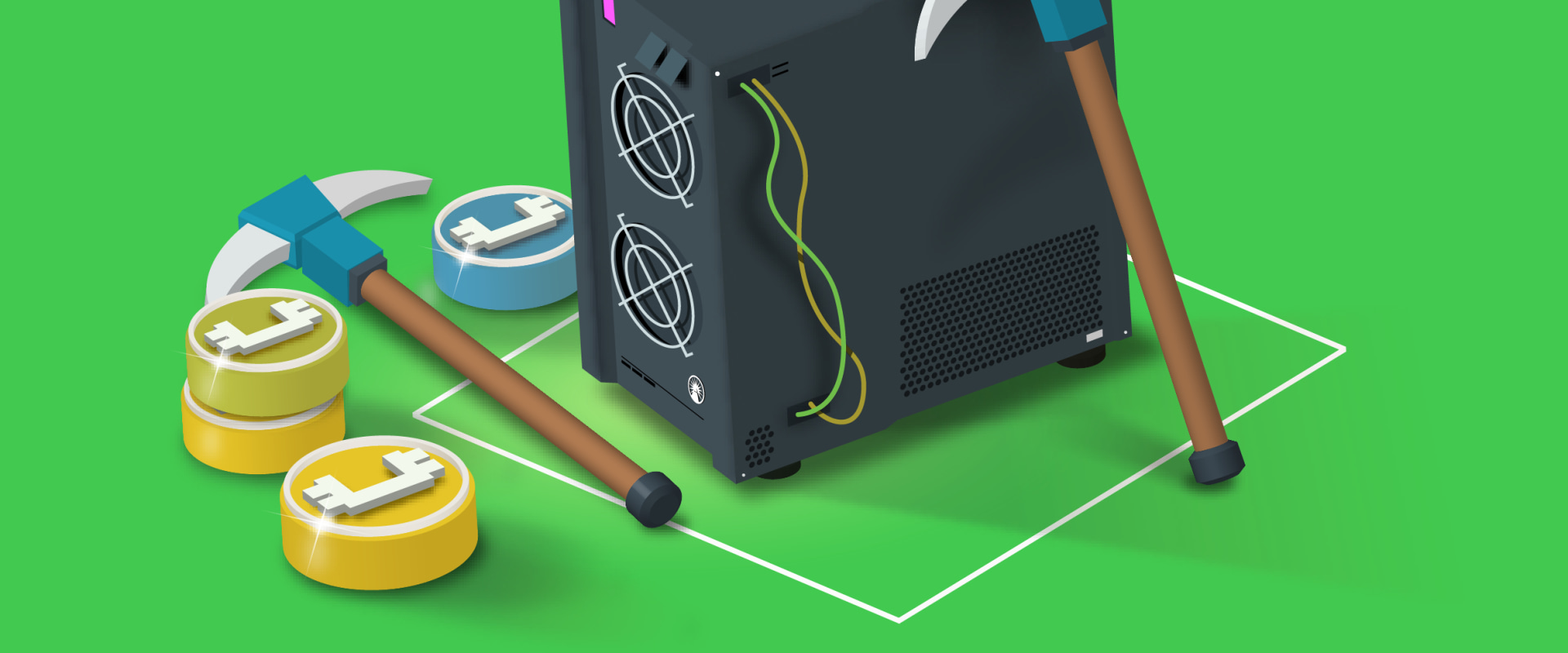
Bitcoin mining is a fundamental process that underpins the entire Bitcoin ecosystem, serving as both a method for transaction verification and a means of creating new bitcoins. At its core, Bitcoin mining is a fundamental process that underpins the entire Bitcoin ecosystem, serving as both a method for transaction verification and a means of creating new bitcoins. At its core, bitcoin mining involves the use of powerful computers to solve intricate mathematical problems, which in turn allows miners to add new blocks of transactions to the blockchain—a decentralized digital ledger that records all Bitcoin transactions. This process not only facilitates the flow of transactions but also ensures the security and integrity of the network. The significance of bitcoin mining extends beyond mere transaction processing. It plays a crucial role in maintaining the decentralized nature of Bitcoin, preventing any single entity from gaining control over the network.
By requiring miners to compete against one another to solve complex puzzles, the system promotes a level of transparency and trust that is essential for any currency. As more miners join the network, the difficulty of these puzzles increases, which helps regulate the supply of bitcoins and ensures that new coins are introduced into circulation at a controlled rate. Understanding bitcoin mining is vital for anyone looking to grasp the broader implications of cryptocurrency. It is not just about earning rewards; it is about participating in a revolutionary financial system that challenges traditional banking and monetary policies. As we delve deeper into this topic, we will explore how bitcoin mining works, its benefits, and its impact on the future of finance.
This exploration will provide valuable insights into why bitcoin mining is not only important for individual miners but also for the global economy as a whole.
What is Bitcoin Mining?
Bitcoin mining is a fundamental process that underpins the entire Bitcoin network. At its core, bitcoin mining refers to the method by which new bitcoins are created and transactions are verified and added to the public ledger known as the blockchain. This process is essential for maintaining the integrity and security of the Bitcoin ecosystem. To understand how bitcoin mining works, it is important to grasp the concept of the blockchain. The blockchain is a decentralized digital ledger that records all transactions made with bitcoin.Each transaction is grouped into a block, and these blocks are linked together in chronological order, forming a chain. Miners play a crucial role in this system by validating transactions and ensuring that they are legitimate. The mining process begins when a miner collects pending transactions from the network. These transactions are then compiled into a candidate block. To add this block to the blockchain, miners must solve a complex mathematical problem known as a proof-of-work.
This problem requires significant computational power and energy, as it involves finding a specific hash value that meets certain criteria. Once a miner successfully solves the problem, they broadcast their solution to the network. Other miners verify this solution, and if it is correct, the new block is added to the blockchain. As a reward for their efforts, the miner receives newly minted bitcoins along with any transaction fees associated with the transactions included in the block. This competitive aspect of mining ensures that only one block is added approximately every ten minutes, which helps regulate the supply of bitcoins and maintain network stability. As more miners join the network, the difficulty of solving these mathematical problems increases, making it more challenging to mine bitcoins over time. In summary, bitcoin mining is not just about creating new coins; it is also about securing the network and validating transactions.
By understanding this process, individuals can appreciate how bitcoin operates as a decentralized currency and why mining is vital for its continued success.
The Role of Blockchain Technology in Bitcoin Mining
To fully appreciate the intricacies of Bitcoin mining, one must first understand the foundational technology that supports it: blockchain technology. At its core, a blockchain is a decentralized digital ledger that records transactions across many computers in such a way that the registered transactions cannot be altered retroactively. This characteristic is crucial for maintaining the integrity and security of the Bitcoin network. When a transaction occurs, it is grouped with other transactions into a block. Each block contains a unique cryptographic hash of the previous block, along with a timestamp and transaction data.This chaining of blocks creates a secure and immutable record of all transactions, which is essential for preventing fraud and double-spending. In the context of Bitcoin mining, miners play a vital role in this process. They use powerful computers to solve complex mathematical problems that validate these transactions. Once a miner successfully solves the problem, they add the new block to the blockchain. This not only confirms the transactions within that block but also strengthens the entire blockchain by linking it to the previous block. The decentralized nature of blockchain technology means that no single entity has control over the entire network.
Instead, every participant (or node) in the network has access to the entire blockchain, ensuring transparency and trust among users. This decentralization is what makes Bitcoin resistant to censorship and fraud. Moreover, blockchain technology employs various consensus mechanisms to ensure that all nodes agree on the validity of transactions. In Bitcoin's case, this mechanism is known as Proof of Work. Miners compete to solve cryptographic puzzles, and the first one to succeed gets to add their block to the chain and receive a reward in bitcoins.
This process not only secures the network but also regulates the issuance of new bitcoins. In summary, understanding how blockchain works is essential for grasping how Bitcoin mining operates. The interplay between miners, blocks, and transactions within this decentralized ledger system ensures that Bitcoin remains a secure and reliable form of digital currency.
How Bitcoin Mining Works: The Technical Process
Understanding the bitcoin mining process requires a closer look at the technical aspects that underpin it. At its core, bitcoin mining involves a series of complex mathematical problems that miners must solve to validate transactions and add them to the blockchain. The first step in this process is the creation of a new block. Each block contains a list of recent transactions, a timestamp, and a reference to the previous block, forming a chain.This structure is what gives blockchain its name. Miners compete to solve a cryptographic puzzle known as the proof of work. This puzzle requires significant computational power and energy, as it involves finding a hash—a fixed-length string of characters—that meets specific criteria. To find this hash, miners use a process called hashing. They take the block's header information and run it through a cryptographic hash function, such as SHA-256. The goal is to produce a hash that is lower than a predetermined target value.
This target adjusts approximately every two weeks to ensure that blocks are added to the blockchain roughly every ten minutes, regardless of how many miners are participating. Once a miner successfully finds a valid hash, they broadcast their solution to the network. Other miners and nodes verify this solution by checking the validity of the transactions within the block and ensuring that the hash meets the required criteria. If everything checks out, the new block is added to the blockchain, and the miner receives a reward in bitcoins. This reward serves two purposes: it incentivizes miners to continue their work and it introduces new bitcoins into circulation. As more miners join the network, the difficulty of solving these mathematical problems increases, making it essential for miners to invest in specialized hardware known as ASICs (Application-Specific Integrated Circuits) designed specifically for mining. In summary, the technical process of bitcoin mining is intricate and requires substantial computational resources.
By solving complex mathematical problems and validating transactions, miners play a crucial role in maintaining the integrity and security of the bitcoin network.
Mining Rewards: Incentives for Miners
One of the most compelling aspects of bitcoin mining is the rewards that miners receive for their contributions to the network. These rewards serve as both an incentive for miners to participate in the process and a mechanism for distributing new bitcoins into circulation. Understanding these rewards is crucial for anyone interested in the dynamics of the bitcoin ecosystem. There are two primary forms of rewards that miners can earn: block rewards and transaction fees .Block Rewards
The block reward is the most significant incentive for miners. When a miner successfully solves a complex mathematical problem and adds a new block to the blockchain, they are rewarded with a certain number of newly created bitcoins.This reward is designed to decrease over time, following a predetermined schedule known as halving. Initially, the reward was 50 bitcoins per block, but it has halved approximately every four years, with the current reward set at 6.25 bitcoins as of 2020. This gradual reduction in block rewards serves two purposes: it helps control the supply of bitcoins, ensuring that only 21 million will ever exist, and it creates scarcity, which can drive up demand and value over time. As more miners join the network and competition increases, the difficulty of mining also rises, making it essential for miners to invest in more powerful hardware to remain competitive.
Transaction Fees
In addition to block rewards, miners also earn transaction fees. Every time a user initiates a bitcoin transaction, they have the option to include a fee that incentivizes miners to prioritize their transaction.These fees can vary based on network congestion; during times of high demand, users may choose to pay higher fees to ensure their transactions are processed quickly. As block rewards decrease over time due to halving events, transaction fees are expected to become an increasingly important source of income for miners. This shift emphasizes the need for miners to not only focus on solving mathematical problems but also on optimizing their operations to maximize profitability through efficient transaction processing.
The Importance of Incentives
The incentives provided by block rewards and transaction fees are vital for maintaining the security and integrity of the bitcoin network. Without these financial motivations, there would be little reason for individuals or organizations to invest in the expensive hardware and energy required for mining. Moreover, these incentives help ensure that transactions are verified and added to the blockchain in a timely manner. As more miners participate in the network, competition increases, leading to faster transaction confirmations and enhanced security against potential attacks. In conclusion, understanding bitcoin mining rewards is essential for grasping why individuals engage in this complex process.The combination of block rewards and transaction fees not only incentivizes miners but also plays a crucial role in sustaining the overall health and functionality of the bitcoin ecosystem.
The Challenges of Bitcoin Mining: Difficulty and Competition
Bitcoin mining is not without its challenges, and understanding these obstacles is crucial for anyone considering entering this competitive field. As the popularity of Bitcoin continues to grow, so too does the difficulty associated with mining. This section delves into the primary challenges faced by miners, including increasing difficulty levels and fierce competition. One of the most significant challenges in Bitcoin mining is the difficulty adjustment. The Bitcoin network is designed to maintain a consistent block generation time of approximately 10 minutes.To achieve this, the network automatically adjusts the difficulty of the mathematical problems miners must solve every 2016 blocks, or roughly every two weeks. As more miners join the network and contribute their computational power, the difficulty increases. This means that miners must invest in more powerful hardware and consume more energy to remain competitive. Moreover, the competition among miners has intensified dramatically over the years. Initially, individuals could mine Bitcoin using standard personal computers.
However, as more miners entered the space and the difficulty increased, specialized hardware known as ASICs (Application-Specific Integrated Circuits) became necessary. These devices are specifically designed for mining and offer significantly higher hash rates compared to traditional computers. Consequently, only those who can afford these expensive machines and have access to cheap electricity can effectively compete in today’s mining landscape. The implications of this competition extend beyond just hardware costs. Miners are also faced with rising operational expenses, particularly electricity costs.
Mining consumes a substantial amount of energy, and as competition grows, so does the need for efficient energy sources. Many miners are now seeking locations with lower electricity rates or renewable energy options to maximize their profitability. Additionally, the emergence of mining pools has changed the dynamics of competition. In a mining pool, multiple miners combine their resources to increase their chances of successfully mining a block. While this collaboration can lead to more consistent payouts, it also means that individual miners may receive smaller rewards compared to solo mining efforts. In conclusion, while Bitcoin mining presents lucrative opportunities, it is fraught with challenges that require careful consideration.
The increasing difficulty levels and intense competition necessitate significant investments in technology and energy efficiency. For new miners entering this evolving landscape, understanding these challenges is essential for navigating the complexities of Bitcoin mining successfully.
Mining Pools: Collaborating for Success
In the world of bitcoin mining, the concept of mining pools has emerged as a vital strategy for miners looking to enhance their chances of success. But what exactly are mining pools, and how do they function? A mining pool is essentially a collective of miners who combine their computational resources to increase the likelihood of solving complex mathematical problems that validate transactions on the bitcoin network. By pooling their efforts, miners can share the rewards more consistently than they would if they were mining solo. When a mining pool successfully mines a block, the reward—currently set at 6.25 bitcoins—is distributed among all members based on their contributed computational power.This collaborative approach not only increases the chances of earning rewards but also stabilizes income for participants, making it a more attractive option for many.
Benefits of Joining a Mining Pool
- Increased Probability of Earning Rewards: Solo miners face significant challenges due to the high difficulty level of mining. By joining a pool, miners can work together to solve blocks more efficiently, leading to more frequent payouts.
- Steady Income Stream: Mining pools provide a more predictable income compared to solo mining, where rewards can be sporadic and uncertain. This is particularly beneficial for those who rely on mining as a source of income.
- Access to Resources: Many mining pools offer additional resources such as software tools, tutorials, and community support that can help new miners navigate the complexities of bitcoin mining.
- Decentralization: By participating in a pool, miners contribute to the decentralization of the network. This is crucial for maintaining the integrity and security of the bitcoin ecosystem.
However, it’s essential to choose a reputable pool. Factors such as fees, payout structures, and community feedback should be carefully evaluated before making a decision. In conclusion, mining pools represent a collaborative approach that enhances the efficiency and profitability of bitcoin mining. By working together, miners can overcome individual limitations and contribute to the overall health and security of the bitcoin network.
Environmental Impact of Bitcoin Mining
The environmental impact of Bitcoin mining has become a significant topic of discussion as the cryptocurrency continues to gain traction. As the process of mining requires substantial computational power, it inherently leads to high energy consumption, raising concerns about its sustainability and carbon footprint. One of the primary environmental concerns associated with Bitcoin mining is its energy consumption.The process involves solving complex mathematical problems, which requires powerful hardware that consumes a considerable amount of electricity. According to various studies, the Bitcoin network's energy consumption can be comparable to that of entire countries. This staggering demand for energy raises questions about the sources from which this electricity is generated. In many regions, the electricity used for mining is derived from fossil fuels, such as coal and natural gas. This reliance on non-renewable energy sources contributes to greenhouse gas emissions, exacerbating climate change.
As miners seek cheaper electricity to maximize profits, they often gravitate towards areas with lower energy costs, which can lead to increased carbon emissions if those regions rely heavily on fossil fuels. However, there are efforts within the cryptocurrency community to address these environmental concerns. Some miners are turning to renewable energy sources, such as solar, wind, and hydroelectric power, to reduce their carbon footprint. By utilizing sustainable energy, miners can not only decrease their environmental impact but also potentially lower their operational costs in the long run. Moreover, innovations in mining technology are emerging that aim to enhance efficiency and reduce energy consumption. For instance, advancements in hardware design and cooling systems can lead to more efficient mining operations.
Additionally, some projects are exploring alternative consensus mechanisms that require less energy than traditional proof-of-work systems. As awareness of the environmental implications of Bitcoin mining grows, it is crucial for individuals involved in cryptocurrency to consider the sustainability of their practices. By supporting initiatives that promote renewable energy use and advocating for more efficient mining technologies, participants in the Bitcoin ecosystem can contribute to a more sustainable future for cryptocurrency. In conclusion, while Bitcoin mining presents significant environmental challenges due to its high energy consumption and reliance on fossil fuels, there are pathways toward sustainability. By embracing renewable energy sources and advancing mining technologies, the cryptocurrency community can work towards minimizing its ecological impact while continuing to innovate in this rapidly evolving space.
Future Trends in Bitcoin Mining
As the cryptocurrency landscape continues to evolve, the future of Bitcoin mining is poised for significant transformation. Several trends and advancements are emerging that will shape how mining operates, impacting miners, investors, and the overall market. One of the most notable trends is the increasing focus on sustainability.As concerns about the environmental impact of Bitcoin mining grow, many miners are seeking greener alternatives. This includes utilizing renewable energy sources such as solar, wind, and hydroelectric power. By transitioning to sustainable energy, miners can reduce their carbon footprint and potentially lower operational costs. Another trend is the development of more efficient mining hardware. The introduction of advanced Application-Specific Integrated Circuits (ASICs) has already revolutionized the mining process by significantly increasing hash rates while reducing energy consumption.
Future innovations in hardware technology are expected to further enhance efficiency, making it possible for miners to operate profitably even in a more competitive environment. Moreover, the rise of cloud mining services is changing how individuals participate in Bitcoin mining. These platforms allow users to rent mining power from remote data centers, eliminating the need for expensive hardware and technical expertise. As cloud mining becomes more accessible, it may democratize participation in Bitcoin mining, allowing a broader audience to engage with this aspect of cryptocurrency. Additionally, advancements in software solutions are streamlining the mining process. Enhanced algorithms and machine learning techniques are being developed to optimize mining operations, predict market trends, and improve decision-making.
These tools can help miners maximize their profitability by analyzing data more effectively and adjusting strategies in real-time. Finally, regulatory developments will play a crucial role in shaping the future of Bitcoin mining. As governments around the world begin to implement regulations concerning cryptocurrency operations, miners will need to adapt to comply with new laws. This could lead to increased transparency and security within the industry but may also impose additional costs on miners. In conclusion, the future of Bitcoin mining is set to be influenced by sustainability efforts, technological advancements in hardware and software, the rise of cloud mining services, and evolving regulatory landscapes. By staying informed about these trends, miners can better position themselves for success in an ever-changing environment.
Conclusion: The Importance of Understanding Bitcoin Mining
In summary, understanding Bitcoin mining is essential for anyone looking to navigate the complex landscape of cryptocurrency.This process not only facilitates the creation of new bitcoins but also plays a pivotal role in maintaining the security and integrity of the entire Bitcoin network. As we have explored, mining involves solving intricate mathematical problems that validate transactions and add them to the blockchain, ensuring that the system remains decentralized and resistant to manipulation. The rewards that miners receive for their efforts serve as a powerful incentive, driving participation in the network. This mechanism not only regulates the supply of bitcoins but also fosters a competitive environment where miners must continually innovate and improve their technology to remain viable. As more individuals and organizations engage in mining, the difficulty of these mathematical challenges increases, highlighting the dynamic nature of this ecosystem. Moreover, Bitcoin mining contributes significantly to the overall health of the cryptocurrency market.
By securing transactions and preventing fraud, it builds trust among users and investors alike. This trust is crucial for the long-term viability of Bitcoin as a digital currency and as an investment vehicle. As we look to the future, it is clear that advancements in technology will continue to shape the mining landscape. From more efficient hardware to innovative mining strategies, those who understand these changes will be better positioned to capitalize on opportunities within the cryptocurrency space. In conclusion, grasping the intricacies of Bitcoin mining is not just for tech enthusiasts or seasoned investors; it is vital for anyone interested in participating in or understanding the broader implications of cryptocurrency. As Bitcoin continues to evolve, so too will its mining practices, making it imperative for individuals to stay informed and engaged with this ever-changing field.